Q1. What Are the 15 Best Security Operations Center Tools in 2026?
Selecting the right security operations center tools is a high-stakes architectural decision that directly determines your team’s detection coverage, response speed, and operational overhead. A miscalculated tool stack doesn’t just waste budget: it creates blind spots that attackers actively exploit. For this guide, we evaluated 30+ SOC platforms across SIEM, EDR, XDR, SOAR, NDR, UEBA, TIP, AI-agentic, and open-source categories, then narrowed the field to 15 tools that consistently demonstrate operational value in production SOC environments.
📋 Our Evaluation Criteria
Each tool included in this list was assessed across five weighted areas (detailed in Q2):
- Detection Efficacy & MITRE ATT&CK Coverage (25%): Documented coverage breadth across ATT&CK tactics and techniques
- Integration & Interoperability (20%): Third-party API support, vendor-agnostic flexibility vs. proprietary lock-in
- Response Capability (20%): Detection-only vs. full containment, remediation, and human analyst response
- Setup, Usability & Time-to-Value (20%): Deployment timeline, SOC analyst workflow fit, and operational overhead
- Pricing Transparency (15%): Published pricing vs. opaque “contact sales” models
🎯 Who This Guide Is For
This shortlist is designed specifically for:
- CISOs and Security Directors evaluating SOC tool stack modernization or consolidation
- IT Directors at mid-market companies (100–1,000 endpoints) building or upgrading SOC capabilities
- CTOs and VPs of Engineering balancing security investment against engineering velocity
- PE Operating Partners standardizing cybersecurity across portfolio companies
If your organization is actively scoping vendor evaluation or preparing an RFP for SOC tooling, the 15 platforms below represent the most operationally proven options across every major SOC category in 2026.
| Provider | Best For | Key Strength | Compliance |
|---|---|---|---|
| UnderDefense MAXI ★★★★★ | Unified SOC orchestration across existing tools | Vendor-agnostic AI SOC + Human Ally; 250+ integrations, 0.5h MTTR | SOC 2, HIPAA, ISO 27001 (forever-free compliance kits) |
| Splunk Enterprise Security ★★★★ | Large-scale log correlation & enterprise SIEM | Market-leading SIEM; 2,000+ integrations; risk-based alerting | PCI DSS, HIPAA, SOX, GDPR |
| Microsoft Sentinel ★★★★ | Azure-native cloud SIEM + SOAR | Native Azure integration; pay-per-GB; built-in SOAR playbooks | SOC 2, HIPAA, GDPR, FedRAMP |
| CrowdStrike Falcon ★★★★ | Endpoint-first detection (EDR/XDR) | Best-in-class EDR; massive threat intel; Falcon ecosystem | SOC 2, PCI DSS, HIPAA |
| Palo Alto Cortex XSIAM ★★★★ | Autonomous SOC with AI-driven XDR | SIEM+XDR+SOAR convergence; autonomous investigation | PCI DSS, HIPAA, SOC 2 |
| SentinelOne Singularity ★★★★ | AI-powered endpoint & cloud XDR | Autonomous response; Storyline context; per-endpoint pricing | SOC 2, HIPAA, PCI DSS |
| Torq HyperSOC ★★★★ | AI-agentic SOAR replacing legacy playbooks | LLM-powered Socrates agent; 300+ integrations; 90%+ case closure | Workflow-dependent |
| Google Chronicle SecOps ★★★★ | Petabyte-scale cloud SIEM at Google pricing | Sub-second search at scale; fixed pricing; YARA-L detection | SOC 2, FedRAMP, HIPAA |
| Exabeam ★★★★ | Behavioral analytics (UEBA) + SIEM | New-Scale SIEM; per-user pricing; behavioral baselines | SOC 2, PCI DSS, HIPAA |
| Tines ★★★★ | No-code SOAR with free community tier | Free tier for small teams; drag-and-drop automation | Workflow-dependent |
| IBM QRadar Suite ★★★ | Legacy enterprise SIEM + SOAR | Hybrid cloud support; EPS-based pricing; offense chaining | PCI DSS, HIPAA, SOX |
| Darktrace ★★★ | Network anomaly detection (NDR + AI) | Self-learning AI; no signatures; east-west traffic visibility | SOC 2, GDPR |
| Recorded Future ★★★ | Real-time threat intelligence (TIP) | 1M+ sources; AI-curated intel; Insikt Group research | SOC 2 |
| Wazuh ★★★ | Open-source SIEM/XDR for lean budgets | Zero licensing cost; FIM, vulnerability detection, compliance | PCI DSS, HIPAA, GDPR (built-in mappings) |
| TheHive + Cortex ★★★ | Open-source incident response & case management | Alert triage; automated enrichment via Cortex analyzers | Manual configuration |
1. UnderDefense MAXI: Best for Unified SOC Orchestration Across Existing Tools
✅ Overview
UnderDefense MAXI is an AI-powered security-as-a-service platform built on a fundamentally different premise than every other tool on this list: it doesn’t compete with your existing security stack, it completes it. Founded in 2017 and headquartered in New York with 120 security engineers across three continents, UnderDefense delivers what we call the “AI SOC + Human Ally” model, vendor-agnostic detection intelligence combined with dedicated concierge analyst response that owns outcomes, not just alerts.
✅ Core Services
- 24/7 Managed Detection & Response (MDR) with 0.5-hour MTTR for critical incidents
- Vendor-agnostic integration across 250+ existing tools (CrowdStrike, Splunk, SentinelOne, Microsoft Defender, Okta, and more)
- Concierge analyst response: direct Tier 3–4 analyst communication with ChatOps user verification via Slack, Teams, or email
- Proactive threat hunting with 96% MITRE ATT&CK coverage
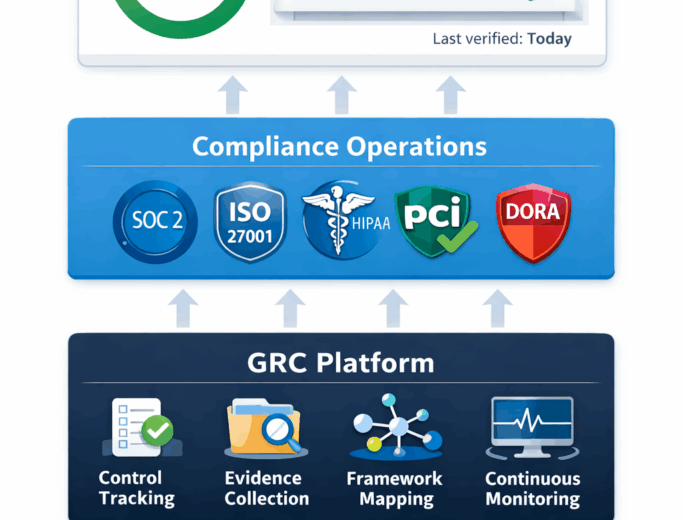
- Compliance automation with forever-free compliance kits for SOC 2, HIPAA, and ISO 27001
- Full containment and remediation: credential revocation, endpoint isolation, lateral movement blocking
🎯 Why Companies Consider UnderDefense MAXI
Most SOC tools solve one piece of the puzzle: your SIEM collects logs, your EDR watches endpoints, your SOAR runs playbooks. But when a behavioral alert fires at 2:47 AM and someone needs to determine whether that PowerShell execution was your IT admin or an attacker, that’s where tools stop and people start. We built MAXI to bridge that gap. Our AI correlates signals across every tool in your stack, and when context is needed, our analysts reach out directly to affected users to verify before containing confirmed threats. Detection without response is noise. Response without context is risk.
👤 Ideal Customer Profile
Best suited for:
- Mid-market companies (100–1,000 endpoints) with existing security tool investments they want to protect
- Compliance-driven organizations needing SOC 2, HIPAA, or ISO 27001 evidence generation
- Security-lean teams (1–5 analysts) needing 24/7 coverage without building a full SOC
- PE portfolio companies requiring standardized security across multiple entities
💰 Commercial Model
Published, transparent pricing at $11–15/endpoint/month, with no hidden fees and no “contact sales” opacity. Nearly 2,000 businesses use the MAXI platform on freemium, with 500+ active MDR clients. 30-day turnkey deployment with custom detection tuning.
⏰ When to Shortlist
Organizations evaluating unified SOC orchestration, particularly those frustrated with vendor lock-in, opaque pricing, or MDR providers that escalate alerts without taking response actions, should include UnderDefense during RFP evaluation. In documented case studies, we detected and contained threats 2 days faster than CrowdStrike OverWatch, while integrating with, not replacing, the customer’s existing Falcon deployment.
💬 Customer Reviews
“Not having to worry about ransomware, alert overload and reporting. Getting a clear view of my security posture, where the threats are coming from and how they are handled. They literally took care of all our problems.”
— Arlin O., CIO, Enterprise Under Defence G2 – Verified Review
“Honestly, some security tools are more complicated than the threats themselves. Underdefense isn’t just about catching bad stuff, they give proactive tips too. Feels like my IT department suddenly got way smarter.”
— Andriy H., Co-Founder and CTO at Contora Inc. Under Defence G2 – Verified Review
2. Splunk Enterprise Security: Best for Large-Scale Log Correlation & Enterprise SIEM 📊
✅ Overview
Splunk Enterprise Security (ES) has held the Gartner SIEM Leadership position for over a decade and remains the go-to platform for large enterprises that need centralized log aggregation, advanced analytics, and compliance reporting across complex, high-volume environments. Now under Cisco ownership, Splunk’s ecosystem of 2,000+ apps and integrations makes it the most extensible SIEM on the market, but that extensibility comes with significant cost and operational complexity.
✅ Core Services
- Centralized SIEM with risk-based alerting (customers report 90% false positive reduction)
- 130+ pre-built analytic stories aligned to common attack patterns
- MITRE ATT&CK framework integration and compliance modules (PCI DSS, HIPAA, SOX, GDPR)
- Incident investigation workbench and adaptive response automation
- Splunk SOAR (formerly Phantom) for playbook-based orchestration
🎯 Why Companies Consider Splunk ES
Splunk is the default choice for enterprises that already have significant log volumes and need a SIEM that can handle custom analytics at scale. Its Search Processing Language (SPL) is incredibly powerful for threat hunters, but that power requires dedicated Splunk engineers to maintain.
👤 Ideal Customer Profile
Best suited for:
- Large enterprises (1,000+ endpoints) with dedicated SOC teams and Splunk engineering staff
- Organizations already invested in the Splunk ecosystem (apps, dashboards, custom detections)
- Compliance-heavy industries needing detailed audit trails and reporting
💰 Commercial Model
Ingest-based or workload-based pricing. Enterprise deployments typically run $150+ per GB/day, with first-year total costs ranging from $400,000–$800,000 including infrastructure, implementation, and training. ES is a separately licensed add-on at 1.5–2x the base platform rate. Volume discounts of 20–35% available for multi-year commitments.
⏰ When to Shortlist
Organizations with existing Splunk investments and dedicated engineering resources should evaluate ES during SIEM modernization. For teams without Splunk expertise, the operational overhead may outweigh the platform’s analytical power.
3. Microsoft Sentinel: Best for Azure-Native Cloud SIEM + SOAR ☁️
✅ Overview
Microsoft Sentinel is a cloud-native SIEM and SOAR solution built on Azure that has rapidly gained adoption among organizations already invested in the Microsoft ecosystem. Its native integration with Microsoft 365, Defender, Entra ID, and Azure services makes it the most frictionless SIEM choice for Microsoft-heavy environments, with pay-per-GB pricing that avoids the sticker shock of traditional SIEM licensing.
✅ Core Services
- Cloud-native SIEM with built-in SOAR (Logic Apps-based playbooks)
- Native integration with Microsoft 365 Defender, Entra ID, and Azure security services
- AI-driven analytics and UEBA capabilities
- Pay-as-you-go or commitment tier pricing (per-GB consumed)
- Fusion detection engine for multi-stage attack correlation
🎯 Why Companies Consider Microsoft Sentinel
If 80%+ of your infrastructure runs on Microsoft, Sentinel gives you the best signal-to-noise ratio with minimal configuration. Log ingestion from Microsoft sources is either free or discounted, and the native Defender integration creates a detection-to-response pipeline that third-party SIEMs can’t replicate at the same cost.
👤 Ideal Customer Profile
Best suited for:
- Organizations with heavy Microsoft/Azure investments
- Cloud-first teams wanting to avoid on-premises SIEM infrastructure
- Mid-market companies seeking predictable SIEM pricing without ingest surprises
💰 Commercial Model
Pay-as-you-go pricing starting at approximately $2.46/GB ingested, with commitment tiers offering significant discounts. Microsoft 365 and Azure AD logs are often free or heavily discounted for ingestion.
⏰ When to Shortlist
Microsoft-centric organizations evaluating cloud SIEM options. Less optimal for multi-cloud or vendor-diverse environments where non-Microsoft log sources dominate.
4. CrowdStrike Falcon: Best for Endpoint-First Detection (EDR/XDR) 🛡️
✅ Overview
CrowdStrike Falcon is the endpoint detection and response market leader, offering AI-native EDR that extends into XDR, threat intelligence, and managed threat hunting via Falcon OverWatch. Its lightweight agent and cloud-native architecture made it the benchmark for endpoint protection, but its ecosystem-centric approach means full value requires commitment to the Falcon platform.
✅ Core Services
- AI-native EDR with real-time endpoint visibility and forensics
- XDR extending detection across identity, cloud, and workloads
- Falcon OverWatch managed threat hunting
- Threat intelligence (Falcon Intelligence)
- IT hygiene and vulnerability management
🎯 Why Companies Consider CrowdStrike Falcon
CrowdStrike sets the standard for endpoint detection accuracy. If endpoints are your primary attack surface and you want best-in-class EDR with a clear upgrade path to XDR, Falcon is the natural starting point.
👤 Ideal Customer Profile
Best suited for:
- Organizations prioritizing endpoint protection as the SOC foundation
- Teams wanting a unified endpoint-to-XDR upgrade path within one ecosystem
- Enterprises with budget for premium security tooling (~$60/user/year)
💰 Commercial Model
Premium per-endpoint pricing, typically around $60/user/year for Falcon Complete. Modular licensing across Falcon Go, Falcon Pro, and Falcon Enterprise tiers.
⏰ When to Shortlist
Organizations building an endpoint-first security architecture. ❌ Less optimal if your primary concern is correlating signals across non-CrowdStrike tools, as Falcon sees endpoints deeply but has limited cross-vendor orchestration.
💬 Customer Reviews
“Still not quite there with the remediation side of things. We receive alerts, but not necessarily a clear path to resolution. Some alerts are just a regurgitation of Microsoft alerts which means duplicates.”
— Sr. Cybersecurity Engineer, Manufacturing Arctic Wolf – Gartner Verified Review
5. Palo Alto Cortex XSIAM: Best for Autonomous SOC with AI-Driven XDR 🤖
✅ Overview
Palo Alto’s Cortex XSIAM represents the most ambitious attempt to converge SIEM, XDR, SOAR, and ASM into a single autonomous SOC platform. Built on machine learning that aims to reduce manual investigation, XSIAM is designed for enterprises that want to consolidate security tooling into one AI-driven platform.
✅ Core Services
- Converged SIEM + XDR + SOAR + ASM in one platform
- AI-driven autonomous investigation and response
- Native integration with Palo Alto’s firewall and Prisma Cloud ecosystem
- Stitching engine that correlates alerts into incidents automatically
- MITRE ATT&CK-aligned detection content
👤 Ideal Customer Profile
Best suited for:
- Large enterprises (5,000+ endpoints) ready for full platform consolidation
- Organizations already invested in Palo Alto firewalls and Prisma Cloud
- SOC teams wanting to reduce manual investigation burden through AI automation
💰 Commercial Model
Enterprise pricing via custom quotes. Significant investment, typically positioned as a total platform replacement rather than a point solution. Pricing reflects the consolidation play (replacing 3–4 separate tools).
⏰ When to Shortlist
Enterprises pursuing full SOC platform consolidation with existing Palo Alto investments. ❌ Not the right fit for organizations that want vendor-agnostic flexibility or have limited budgets.
6. SentinelOne Singularity: Best for AI-Powered Endpoint & Cloud XDR ⚡
✅ Overview
SentinelOne Singularity combines EDR, XDR, and cloud workload protection into a single platform powered by autonomous AI that can detect, investigate, and respond to threats without human intervention at the endpoint level. Its Storyline technology automatically correlates related events into attack narratives.
✅ Core Services
- Autonomous EDR with real-time response (rollback, remediation)
- XDR extending across cloud, identity, and network telemetry
- Purple AI: generative AI threat hunting and investigation assistant
- Storyline Active Response (STAR) custom detection rules
- Singularity Data Lake for centralized log retention
👤 Ideal Customer Profile
Best suited for:
- Mid-market to enterprise organizations wanting AI-autonomous endpoint protection
- Teams evaluating CrowdStrike alternatives with competitive per-endpoint pricing
- Cloud-native organizations needing workload protection alongside EDR
💰 Commercial Model
Per-endpoint pricing across Singularity Core, Control, Complete, and Commercial tiers. More competitive than CrowdStrike at comparable feature sets. Custom quotes for enterprise deployments.
⏰ When to Shortlist
Organizations evaluating EDR/XDR platforms that want AI-driven autonomous response with a clear upgrade path to unified data lake capabilities.
7. Torq HyperSOC: Best for AI-Agentic SOAR Replacing Legacy Playbooks 🧠
✅ Overview
Torq HyperSOC represents the new wave of AI-agentic SOC platforms that move beyond traditional SOAR’s static playbook model. Powered by Socrates, Torq’s autonomous AI SOC analyst, HyperSOC uses a multi-agent system to triage, investigate, and remediate security cases at machine speed, closing more than 90% of cases autonomously.
✅ Core Services
- AI-agentic case management with Socrates OmniAgent
- Hyperautomation engine with 300+ native integrations and 4,000+ actions
- Autonomous Tier 1 triage, investigation, and remediation
- Multi-agent system coordinating specialized AI agents across the SOC lifecycle
- No-code workflow builder for custom automations
👤 Ideal Customer Profile
Best suited for:
- SOC teams drowning in Tier 1 alert volume wanting agentic AI to handle triage
- Organizations frustrated with legacy SOAR playbook maintenance overhead
- MSSPs and MDR providers needing scalable automation across client environments
💰 Commercial Model
Custom enterprise pricing. Positioned as a SOAR replacement with significantly lower engineering maintenance costs due to AI-driven workflow generation.
⏰ When to Shortlist
Organizations evaluating SOAR modernization or replacement, particularly those whose current SOAR playbooks break faster than their team can maintain them.
8. Google Chronicle SecOps: Best for Petabyte-Scale Cloud SIEM at Predictable Pricing 🔍
✅ Overview
Google Chronicle SecOps leverages Google’s infrastructure to deliver a cloud SIEM that can handle petabyte-scale log ingestion with sub-second search performance. Its fixed-pricing model removes the per-GB anxiety that plagues traditional SIEM deployments, making it attractive for high-volume environments.
✅ Core Services
- Cloud-native SIEM with petabyte-scale log storage and search
- YARA-L detection language for custom threat detection rules
- Integrated threat intelligence via Google Threat Intelligence (Mandiant + VirusTotal)
- Unified Detection, Investigation, and Response (TDIR) workflow
- SOAR capabilities (via Chronicle SOAR, formerly Siemplify)
👤 Ideal Customer Profile
Best suited for:
- Organizations with massive log volumes tired of per-GB pricing surprises
- Google Cloud-native environments seeking native security integration
- SOC teams wanting access to Mandiant + VirusTotal threat intelligence natively
💰 Commercial Model
Fixed-pricing model based on organization size rather than data volume, a significant differentiator vs. Splunk and Sentinel’s ingest-based models.
⏰ When to Shortlist
High-volume environments where SIEM cost predictability is critical. ❌ Less mature than Splunk for custom analytics and less integrated than Sentinel for Microsoft environments.
9. Exabeam: Best for Behavioral Analytics (UEBA) + SIEM 📈
✅ Overview
Exabeam’s New-Scale SIEM platform combines traditional SIEM log management with industry-leading User and Entity Behavior Analytics (UEBA), automatically building behavioral baselines for every user and device to detect anomalies that rule-based systems miss.
✅ Core Services
- New-Scale SIEM with cloud-native architecture
- Advanced UEBA with automated behavioral baselines and Smart Timelines
- Per-user fixed-rate pricing (not volume-based)
- Pre-built threat detection content and investigation workflows
- Incident responder with automated triage
👤 Ideal Customer Profile
Best suited for:
- Organizations where insider threat detection is a primary concern
- Teams frustrated with per-GB SIEM pricing wanting predictable per-user costs
- Mid-market to enterprise SOCs wanting UEBA without a separate tool
💰 Commercial Model
Per-user fixed-rate pricing model, not volume-based, making costs predictable regardless of log volume fluctuations.
⏰ When to Shortlist
Organizations prioritizing insider threat detection and behavioral analytics alongside traditional SIEM capabilities.
10. Tines: Best for No-Code SOAR with Free Community Tier 🔧
✅ Overview
Tines offers a no-code security automation platform that enables SOC teams to build, test, and deploy workflow automations without engineering dependencies. Its free Community Edition makes it one of the most accessible SOAR platforms for small security teams and startups.
✅ Core Services
- Drag-and-drop workflow automation builder (no-code)
- Free Community Edition for small teams
- Pre-built story library with common SOC automation templates
- Integration with virtually any API-accessible security tool
- Case management and alert triage automation
👤 Ideal Customer Profile
Best suited for:
- Small to mid-market security teams wanting SOAR without enterprise pricing
- SOC analysts building automations without dedicated engineering support
- Organizations using open-source tools (Wazuh, TheHive) that need orchestration
💰 Commercial Model
Free Community Edition with generous limits. Paid Professional and Enterprise tiers for advanced features and higher workflow volumes.
⏰ When to Shortlist
Budget-constrained teams that need workflow automation immediately without procurement cycles.
11. IBM QRadar Suite: Best for Legacy Enterprise SIEM + SOAR 🏢
✅ Overview
IBM QRadar has served as the backbone of enterprise SOC operations for nearly two decades. Its offense chaining and EPS-based pricing model suit organizations with consistent, predictable log volumes. The QRadar Suite now includes SIEM, SOAR, EDR, and XDR capabilities in a unified cloud-delivered package.
✅ Core Services
- Enterprise SIEM with offense chaining and multi-layer correlation
- QRadar SOAR (formerly Resilient) for playbook automation
- EPS-based pricing scaling predictably with defined capacity tiers
- Hybrid cloud support (on-premises and cloud)
- Pre-built compliance content and reporting
👤 Ideal Customer Profile
Best suited for:
- Large enterprises with existing QRadar investments and IBM relationships
- Organizations in regulated industries needing robust compliance reporting
- Hybrid environments requiring both on-premises and cloud SIEM
💰 Commercial Model
EPS-based licensing starting at approximately $10,000/year for 100 EPS. Scales predictably but can become restrictive during security incidents when event rates spike.
⏰ When to Shortlist
Existing IBM customers evaluating SIEM modernization within the QRadar ecosystem. ❌ New deployments face a steeper learning curve and higher operational overhead compared to cloud-native alternatives.
12. Darktrace: Best for Network Anomaly Detection (NDR + AI) 🌐
✅ Overview
Darktrace uses self-learning AI to detect network anomalies without relying on signatures, rules, or pre-defined threat models. Its approach to east-west traffic visibility makes it particularly effective at detecting lateral movement and insider threats that signature-based tools miss entirely.
✅ Core Services
- Self-learning AI that builds a “pattern of life” for every device and user
- Network Detection and Response (NDR) with east-west traffic visibility
- Autonomous Response (Antigena) for real-time threat containment
- Email security (Darktrace/Email) and cloud detection (Darktrace/Cloud)
- No signature dependencies: detects novel threats by behavioral deviation
👤 Ideal Customer Profile
Best suited for:
- Organizations with complex network environments needing east-west visibility
- SOC teams wanting to detect lateral movement and insider threats without rule-writing
- Environments where network-level detection complements endpoint-focused EDR
💰 Commercial Model
Custom enterprise pricing based on network size and modules deployed. Typically positioned as a premium NDR solution.
⏰ When to Shortlist
Organizations adding network-level detection as a complementary layer to existing EDR/XDR. ❌ Not a standalone SOC platform: requires SIEM and EDR alongside it.
13. Recorded Future: Best for Real-Time Threat Intelligence (TIP) 🌍
✅ Overview
Recorded Future is the largest threat intelligence platform, analyzing data from over 1 million sources including the dark web, technical feeds, and open sources. Its AI-curated intelligence and Insikt Group research team provide actionable context that enriches detection across SIEM, EDR, and SOAR platforms.
✅ Core Services
- AI-curated threat intelligence from 1M+ sources
- Insikt Group: dedicated threat research team
- Intelligence Cards with contextualized risk scores for IOCs
- Native integrations with major SIEMs (Splunk, QRadar, Sentinel) and EDRs
- Brand protection and third-party risk intelligence
👤 Ideal Customer Profile
Best suited for:
- SOC teams wanting to enrich detection with real-time external threat context
- Threat intelligence analysts needing curated, actionable feeds
- Organizations conducting third-party risk assessments
💰 Commercial Model
Premium subscription pricing based on modules and data feeds. Typically a significant annual investment reflecting the breadth and depth of intelligence coverage.
⏰ When to Shortlist
Organizations adding intelligence-driven context to their existing detection stack. Complements SIEM and EDR, not a replacement for either.
14. Wazuh: Best Open-Source SIEM/XDR for Lean Budgets 💸
✅ Overview
Wazuh is a fully open-source, enterprise-grade platform combining SIEM and XDR capabilities without any licensing fees or per-agent limitations. Its adoption has grown worldwide among SOC analysts, threat hunters, MSPs, and compliance professionals who need production-grade security monitoring at zero software cost.
✅ Core Services
- Open-source SIEM + XDR with host-based intrusion detection
- File Integrity Monitoring (FIM) for compliance and threat detection
- Vulnerability detection via CVE database cross-referencing
- Built-in compliance mappings for PCI DSS, HIPAA, GDPR, and NIST
- Centralized log management aggregating endpoints, network devices, and cloud
👤 Ideal Customer Profile
Best suited for:
- Startup and lean SOC teams with budget under $50K annually
- Organizations with Linux/DevOps expertise to manage deployment and tuning
- MSPs/MSSPs wanting a no-license-cost SIEM foundation for managed services
💰 Commercial Model
Completely free and open-source. Wazuh Cloud (managed deployment) available for teams wanting reduced operational overhead. The tool is free, but the expertise to run it operationally is not.
⏰ When to Shortlist
Budget-constrained organizations with internal engineering capacity. ❌ Requires 1–2 dedicated FTEs for deployment, tuning, and maintenance. No built-in 24/7 human response layer.
15. TheHive + Cortex: Best Open-Source Incident Response & Case Management 📁
✅ Overview
TheHive is an open-source incident response platform designed for SOC analysts who need structured case management, alert triage, and collaborative investigation workflows. Paired with Cortex (its companion analysis engine), it provides automated enrichment via 100+ analyzers and responders.
✅ Core Services
- Open-source incident response and case management
- Alert triage with automated deduplication and merging
- Cortex analyzers for automated IOC enrichment (VirusTotal, MISP, AbuseIPDB)
- Cortex responders for automated response actions
- Integration with MISP for threat intelligence sharing
👤 Ideal Customer Profile
Best suited for:
- SOC teams needing structured incident response workflows at zero license cost
- Organizations already using open-source tools (Wazuh, MISP, Shuffle) that need a case management layer
- Security teams wanting collaborative investigation with audit trails
💰 Commercial Model
Free and open-source (TheHive 4.x). TheHive 5 offers commercial licensing with additional features. Cortex remains open-source.
⏰ When to Shortlist
Teams building an open-source SOC stack who need case management and automated enrichment. ❌ Requires technical expertise for deployment and lacks built-in detection capabilities: it’s a response platform, not a detection platform.
🔑 How UnderDefense MAXI Connects All 15 Tools
Here’s the operational reality: most SOC teams won’t pick just one tool from this list. You’ll end up with a SIEM (Splunk or Sentinel), an EDR (CrowdStrike or SentinelOne), maybe a SOAR (Torq or Tines), and potentially a TIP or NDR layer. That’s 3–5 tools generating separate alert streams, separate dashboards, and separate investigation workflows.
We built UnderDefense MAXI to be the connective tissue. Our platform integrates with every tool on this list via API, correlates their signals through AI-driven enrichment, and layers in the one thing no tool can provide on its own: human analysts who understand your organization and can verify, contain, and remediate threats directly. At $11–15/endpoint/month with 30-day deployment, it’s the operational layer that makes your entire tool stack actually work as one, instead of 5 separate dashboards nobody has time to watch at 2 AM.
Q2. How Were These SOC Tools Selected? (Scoring Criteria & Star Ratings)
⭐ The Weighted Evaluation Framework
Ranking SOC tools by brand recognition or feature count is how most “best of” lists get built, and it’s exactly why those lists don’t help you make operational decisions. For this guide, tool selection used a weighted evaluation framework combining quantitative scoring with qualitative SOC analyst assessment across five criteria that reflect what actually matters when these tools hit production environments.
| Criterion | Weight | What It Measures |
|---|---|---|
| Detection Efficacy & MITRE ATT&CK Coverage | 25% | Documented coverage breadth across ATT&CK’s 14 tactics; false positive rates; detection content maturity |
| Integration & Interoperability | 20% | Third-party API support; vendor-agnostic flexibility vs. proprietary lock-in; ecosystem breadth |
| Response Capability | 20% | Detection-only vs. full containment/remediation; human analyst involvement; MTTR documentation |
| Setup, Usability & Time-to-Value | 20% | Deployment timeline; SOC analyst workflow fit; onboarding complexity; operational overhead |
| Pricing Transparency | 15% | Published pricing vs. “contact sales”; predictable cost model; hidden fee risk |
Total = 100%. Star conversion: ★ = 0–20, ★★ = 21–40, ★★★ = 41–60, ★★★★ = 61–80, ★★★★★ = 81–100.
📊 Full Star Ratings Table
| Tool | Detection (25) | Integration (20) | Response (20) | Setup (20) | Pricing (15) | Total | Stars |
|---|---|---|---|---|---|---|---|
| UnderDefense MAXI | 25 | 20 | 20 | 18 | 15 | 98 | ★★★★★ |
| Splunk ES | 22 | 18 | 14 | 12 | 12 | 78 | ★★★★ |
| Microsoft Sentinel | 20 | 17 | 15 | 14 | 10 | 76 | ★★★★ |
| CrowdStrike Falcon | 22 | 14 | 16 | 14 | 9 | 75 | ★★★★ |
| Cortex XSIAM | 21 | 14 | 17 | 13 | 8 | 73 | ★★★★ |
| SentinelOne Singularity | 20 | 15 | 16 | 12 | 9 | 72 | ★★★★ |
| Torq HyperSOC | 14 | 18 | 18 | 12 | 8 | 70 | ★★★★ |
| Google Chronicle | 18 | 15 | 13 | 12 | 10 | 68 | ★★★★ |
| Exabeam | 17 | 14 | 13 | 12 | 10 | 66 | ★★★★ |
| Tines | 10 | 16 | 14 | 14 | 10 | 64 | ★★★★ |
| IBM QRadar | 16 | 12 | 12 | 10 | 8 | 58 | ★★★ |
| Darktrace | 16 | 10 | 12 | 10 | 8 | 56 | ★★★ |
| Recorded Future | 14 | 14 | 8 | 10 | 8 | 54 | ★★★ |
| Wazuh | 12 | 12 | 8 | 6 | 12 | 50 | ★★★ |
| TheHive + Cortex | 8 | 12 | 10 | 8 | 8 | 46 | ★★★ |
✅ UnderDefense Scoring Rationale
Under Defence MAXI scored 98/100 because it’s the only platform that scores highest across every criterion rather than excelling in one category at the expense of others. Here’s the breakdown: 96% MITRE ATT&CK coverage earns a full 25/25 on detection. 250+ vendor-agnostic integrations, working with your existing CrowdStrike, Splunk, SentinelOne, and Okta without forcing replacement, earns 20/20 on integration. Full containment and remediation through concierge analysts with a documented 2-minute alert-to-triage and 15-minute escalation for critical incidents earns 20/20 on response. A 30-day turnkey deployment earns 18/20 on setup (deducted 2 points because enterprise-scale custom detection tuning may extend onboarding). Published $11–15/endpoint/month pricing earns a full 15/15 on transparency, something no other enterprise-grade SOC platform on this list offers.
Q3. How Should You Build a SOC Tool Stack by Budget, Maturity, and Team Size?
⚠️ The Stack Architecture Dilemma
Most SOC teams inherit their tool stack rather than designing it, and the results are predictable. The average SOC manages 83 security tools from nearly 30 vendors, and more than half of those tools are redundant. You end up with CrowdStrike for endpoints, Splunk for logs, Okta for identity, and separate cloud consoles, creating a disjointed view where alerts are everywhere but understanding is nowhere.
The right way to think about SOC architecture is a layered model: Telemetry Layer (log sources, agents, sensors) → Detection Layer (SIEM, EDR, NDR) → Investigation Layer (UEBA, TIP, enrichment) → Response Layer (SOAR, MDR, human analysts) → Reporting Layer (compliance, dashboards, executive summaries).
❌ The Vendor-Driven Stack Trap
Here’s what breaks in real life: vendors push you to buy their entire ecosystem rather than what fits your maturity level. CrowdStrike’s roadmap pushes Falcon-everything; Arctic Wolf requires you to rip out your existing SIEM and replace it with theirs. Meanwhile, tool convergence is accelerating. XDR is absorbing EDR, SIEM is absorbing SOAR, and AI-agentic platforms are absorbing all of the above. Buyers who don’t understand these convergence trajectories will purchase redundant capabilities and regret it within 18 months.
💰 Three Prescriptive Stack Tiers
| Tier 1: Startup SOC | Tier 2: Growth SOC | Tier 3: Enterprise SOC | |
|---|---|---|---|
| Budget | ~$50K/yr | ~$250K/yr | $1M+/yr |
| Team Size | 1–3 analysts | 5–10 analysts | 10+ analysts |
| SIEM | Wazuh (free) | Microsoft Sentinel | Splunk ES |
| EDR/XDR | CrowdStrike Falcon Go | SentinelOne Singularity | Cortex XSIAM |
| SOAR | Tines (free tier) | Torq HyperSOC | Torq + custom playbooks |
| TIP | Open-source feeds | Recorded Future | Recorded Future + Mandiant |
| NDR | — | — | Darktrace |
| UEBA | — | — | Exabeam |
| Orchestration + MDR | ✅ Under Defence MAXI | ✅ Under Defence MAXI | ✅ Under Defence MAXI |
✅ The Constant Across All Tiers
Notice that Under Defence MAXI appears in every tier, and that’s by design. Because MAXI is vendor-agnostic, it connects to whatever tools you already have (or will have as you grow). At Tier 1, it gives a 1–3 person team 24/7 AI-driven detection and concierge analyst response they could never staff internally. At Tier 3, it becomes the orchestration layer that unifies Splunk, Cortex XSIAM, Darktrace, and Exabeam into a single detection-and-response pipeline, while the concierge analysts verify suspicious activity directly with affected users via Slack or Teams, so your Tier 3 internal team focuses on strategy rather than triage.
At $11/endpoint/month scaling to enterprise volumes, MAXI grows with you without forcing stack replacement at each tier transition. Organizations using a unified SOC orchestration layer report 60% faster MTTR and 80% reduction in SOC operating costs versus in-house-only staffing.
Q4. How Do SOC Tools Map to MITRE ATT&CK, and What Are AI-Agentic SOC Platforms?
🛡️ MITRE ATT&CK Tactic-to-Tool Matrix
The MITRE ATT&CK framework catalogs 14 adversary tactics spanning the full attack lifecycle, from Reconnaissance through Impact. No single SOC tool category covers all 14 tactics. A typical SIEM covers 6–8, EDR covers 4–6, and even XDR platforms typically reach 8–10. Achieving 90%+ coverage requires orchestration across multiple tool categories.
| ATT&CK Tactic | SIEM | EDR | XDR | NDR | UEBA | SOAR | TIP |
|---|---|---|---|---|---|---|---|
| Reconnaissance | — | — | — | ✅ | — | — | ✅ |
| Resource Development | — | — | — | — | — | — | ✅ |
| Initial Access | ✅ | ✅ | ✅ | ✅ | — | — | ✅ |
| Execution | ✅ | ✅ | ✅ | — | — | — | — |
| Persistence | ✅ | ✅ | ✅ | — | — | — | — |
| Privilege Escalation | ✅ | ✅ | ✅ | — | ✅ | — | — |
| Defense Evasion | — | ✅ | ✅ | ✅ | — | — | — |
| Credential Access | ✅ | ✅ | ✅ | — | ✅ | — | — |
| Discovery | ✅ | ✅ | ✅ | ✅ | ✅ | — | — |
| Lateral Movement | — | — | ✅ | ✅ | ✅ | — | — |
| Collection | ✅ | ✅ | ✅ | ✅ | — | — | — |
| Command & Control | — | — | ✅ | ✅ | — | — | ✅ |
| Exfiltration | — | — | ✅ | ✅ | — | — | — |
| Impact | ✅ | ✅ | ✅ | — | — | ✅ | — |
🧠 AI-Agentic SOC Platforms: Beyond SOAR
Traditional SOAR automates known workflows through pre-built playbooks: “if X alert fires, run Y steps.” The limitation is fundamental. Playbooks only handle situations someone anticipated and coded in advance. When threats deviate even slightly from the expected pattern, SOAR stalls and escalates to a human.
AI-agentic platforms (Torq HyperSOC, Cortex XSIAM, Under Defence MAXI) represent the 2026 evolution beyond this constraint. These platforms deploy LLM-powered agents that autonomously investigate, correlate context across tools, make multi-step decisions, and execute containment actions, without pre-built playbooks. The distinction: SOAR = “follow instructions”; Agentic = “understand the situation and decide.” In production, agentic platforms report 90%+ autonomous case closure for Tier 1 tasks.
📋 Compliance Framework Mapping
| Compliance Framework | Key SOC Tool Requirement | Primary Tool Categories |
|---|---|---|
| HIPAA | Audit logging, access control monitoring | SIEM + IAM + EDR |
| PCI DSS | Network monitoring, log management, FIM | NDR + SIEM + FIM |
| SOC 2 | Continuous monitoring, incident response | SIEM + EDR + SOAR |
| GDPR | Data flow visibility, breach notification | DLP + CSPM + SIEM |
⏰ Industry-average Mean Time to Detect (MTTD) remains at 204 days for organizations relying on manual correlation. Best-in-class organizations using AI-agentic SOC platforms reduce MTTD to under 24 hours.
✅ How Under Defence MAXI Closes the Gap
Under Defence MAXI achieves 96% MITRE ATT&CK coverage by correlating signals across every integrated tool category, including SIEM, EDR, NDR, identity, and cloud, rather than relying on a single category’s limited view. It pairs AI-agentic investigation with concierge analyst accountability: the system detects, the AI correlates, and the human analyst verifies with affected users and contains confirmed threats. Forever-free compliance kits automatically generate audit evidence for SOC 2, HIPAA, and ISO 27001, so your compliance posture improves as a byproduct of detection operations, not as a separate project.
Q5. How Does UnderDefense MAXI Compare to CrowdStrike, Arctic Wolf, and Open-Source SOC Stacks?
SOC teams evaluating their architecture face three distinct paths: a single vendor’s closed ecosystem (CrowdStrike Falcon Complete or Arctic Wolf), a DIY open-source stack (Wazuh + TheHive + MISP + Shuffle + Security Onion), or a vendor-agnostic orchestration layer that enhances existing tools (UnderDefense MAXI). Each solves the “too many tools” problem differently, and the tradeoffs are significant.
❌ Closed Ecosystems: Strong but Limiting
CrowdStrike Falcon Complete delivers world-class endpoint detection with massive threat intelligence. The limitation is architectural: if your SIEM is Splunk and identity is Okta, Falcon Complete only sees the endpoint slice. Response is slower too. UnderDefense detected and contained threats 2 days faster than CrowdStrike OverWatch in documented case studies.
Arctic Wolf offers concierge MDR with strong brand recognition. The catch: it requires proprietary SIEM replacement, meaning you abandon your existing security investments. Pricing is opaque, approximately $96K median annual contract with no published per-endpoint rates.
We received little value from ArcticWolf. The product offered little visibility when we were using it… Anything you want to look at or changes you need to make in the product must go through their engineering team.
— Matt C., Manager, Cybersecurity Services Arctic Wolf – G2 Verified Review
⚠️ Open-Source Stack: Free but Costly
Wazuh + TheHive + MISP + Shuffle + Security Onion costs zero in licensing but requires 2 to 3 dedicated FTEs for deployment, tuning, and ongoing maintenance. There is no 24/7 human response layer, and compliance evidence generation is entirely manual.
✅ UnderDefense MAXI: Completes, Not Competes
We do not compete with your tools. We complete them. UnderDefense MAXI integrates with 250+ existing tools via API, provides unified AI-driven detection, and pairs it with concierge analysts who verify suspicious activity directly with users via Slack or Teams. Published pricing at $11 to $15/endpoint/month, with 30-day turnkey deployment.
📊 Side-by-Side Comparison
| Criterion | CrowdStrike Falcon Complete | Arctic Wolf | Open-Source Stack | UnderDefense MAXI |
|---|---|---|---|---|
| Integration | Falcon-ecosystem only | Proprietary SIEM required | Manual integration | 250+ tools supported |
| Pricing | ~$60/user/yr, quote-based | ~$96K/yr median, opaque | $0 license (2 to 3 FTEs) | $11 to $15/endpoint/mo published |
| User Verification | Escalates to customer | Escalates to customer | None | ✅ ChatOps via Slack/Teams |
| Response SLA | Not published | Not published | N/A | 2-minute Alert-to-Triage, 15-minute escalation for critical incidents |
| Compliance | Separate product | Separate product | Manual | Forever-free kits included |
| Onboarding | Falcon migration required | Stack migration required | 3 to 6 months DIY | 30-day turnkey |
| MITRE Coverage | 4 to 6 tactics (endpoint only) | Not published | Varies by config | 96% across all tools |
🎯 Who Should Choose What
- Choose CrowdStrike if you are 100% Falcon-native and want EDR depth.
- Choose Arctic Wolf if you are starting from scratch and prefer single-vendor simplicity.
- Choose open-source if you have dedicated SecOps engineers, zero budget, and patience for multi-month builds.
- Choose UnderDefense if you want to protect existing stack investments, need transparent pricing, and want analysts who verify and contain, not just escalate.
The platform seamlessly integrates our existing security tools, simplifying management. Plus, it’s incredibly easy to deploy. I used to work with many MDR solutions in the past, and so far Underdefense is the best one!
— Inga M., CEO UnderDefense – G2 Verified Review
Q6. What SOC Tool Selection Mistakes Should Security Leaders Avoid in 2026?
It is budget season. The board approved $300K for “security modernization.” You evaluate 12 vendors, sit through 20 demos, and choose the Gartner Leader. Twelve months later, 40% of capabilities go unused, analysts still drown in alerts, and the CFO asks why breach risk has not decreased. Sound familiar? This scenario plays out at hundreds of mid-market companies every year, and it is almost always caused by the same five procurement mistakes.
⚠️ The 5 Procurement Mistakes
- Buying on Brand, Not Architecture. The biggest name is not always the best fit. A Gartner Leader built for 10,000-endpoint enterprises creates unnecessary complexity for a 300-endpoint team.
- Ignoring Integration & API Requirements. If the new tool cannot talk to your existing SIEM, EDR, or identity platform, you have created another silo, not a solution.
- Choosing Detection-Only Tools. Detection without response is expensive alerting. If the tool flags threats but cannot contain them, your team still does the heavy lifting at 2 AM.
- Underestimating Operational Cost. The license is roughly 30% of total cost. Staffing, tuning, maintenance, and false-positive investigation consume the remaining 70%.
- Neglecting the Human Response Gap. 70% of security teams admit critical alerts get ignored due to volume. Tools generate alerts; people resolve incidents.
📋 10 Evaluation Questions for Vendor Procurement
- Can this vendor take action on threats, or just notify my team?
- What is the published response time SLA for critical incidents?
- Does it integrate with my existing SIEM/EDR without rip-and-replace?
- Is pricing published or hidden behind “contact sales”?
- What is the onboarding timeline: weeks or months?
- Do I retain ownership of my security data and SIEM logs?
- Can it verify suspicious activity directly with affected users?
- Does compliance evidence generate automatically, or require separate tools?
- What percentage of alerts require my team’s manual investigation?
- What happens when my analyst is on PTO at 2 AM on a Saturday?
✅ How the Right Approach Solves All Five
Score tools on integration breadth, response capability, pricing transparency, and time-to-value. The right system correlates alerts across all tools, verifies suspicious activity with users directly, and only escalates confirmed threats that require your decision.
🛡️ How UnderDefense Is Built to Avoid All Five
UnderDefense was designed to solve each of these mistakes: ✅ vendor-agnostic (no rip-and-replace), ✅ full containment and remediation (not detection-only), ✅ published $11 to $15/endpoint pricing (no hidden fees), ✅ 30-day deployment (not six-month professional services projects), and ✅ concierge analysts who verify directly with users via Slack and Teams. UnderDefense maintains a 100% ransomware prevention record across 500+ MDR clients over 6 years, because detection without human-driven response is just expensive alerting.
Q7. Ready to Calculate Your SOC Tool Stack Cost?
Building the right SOC tool stack depends on three variables: your existing security investments, team capacity, and budget constraints. UnderDefense’s SOC Cost Calculator lets you model exact costs across all three variables in under 5 minutes, comparing in-house SOC staffing ($750K+/yr) against managed SOC with UnderDefense MAXI (starting at $132K/yr).
💰 What the Calculator Evaluates
- Current tool stack integration requirements
- Endpoint count and data volume
- Team size and 24/7 coverage gaps
- In-house vs. managed cost comparison
- Compliance requirements (SOC 2, HIPAA, ISO 27001)
Every tier of SOC architecture, from startup to enterprise, benefits from understanding exact cost tradeoffs before committing to vendor contracts or hiring decisions.
This calculator is built on operational data from 500+ MDR deployments and documented cost outcomes across startup, mid-market, and enterprise SOC environments.
1. What are the most important categories of security operations center tools in 2026?
We categorize modern SOC tools into nine operational categories based on how they function within a detection-and-response pipeline: SIEM (log correlation and compliance), EDR (endpoint threat detection), XDR (cross-domain detection extending EDR), SOAR (orchestration and automated response playbooks), NDR (network anomaly detection), UEBA (behavioral analytics for insider threats), TIP (threat intelligence platforms), AI-agentic platforms (LLM-driven autonomous triage), and open-source alternatives (Wazuh, TheHive + Cortex).
Each category solves a specific layer of the SOC problem, but no single category covers all 14 MITRE ATT&CK tactics. A typical SIEM covers 6–8 tactics, EDR covers 4–6, and even advanced XDR platforms reach only 8–10. That’s why we built UnderDefense MAXI as a vendor-agnostic orchestration layer that correlates signals across all nine categories, achieving 96% ATT&CK coverage through cross-tool integration rather than single-platform dependency.
The right question isn’t “which category do we need?” — it’s “how do these categories work together given our existing stack, team size, and compliance requirements?”
2. How should we evaluate and score SOC tools before purchasing?
We use a weighted evaluation framework across five criteria that reflect what actually matters when SOC tools hit production environments, not what looks impressive in a vendor demo.
-
Detection Efficacy & MITRE ATT&CK Coverage (25%): Documented coverage breadth across ATT&CK’s 14 tactics, false positive rates, and detection content maturity.
-
Integration & Interoperability (20%): Third-party API support and vendor-agnostic flexibility versus proprietary lock-in.
-
Response Capability (20%): Detection-only versus full containment, remediation, and human analyst response, including documented MTTR.
-
Setup, Usability & Time-to-Value (20%): Deployment timeline, SOC analyst workflow fit, and operational overhead.
-
Pricing Transparency (15%): Published pricing versus opaque “contact sales” models.
This framework is how we evaluated 30+ platforms for our SOC tools guide. The critical insight: tool licensing accounts for roughly 30% of total cost. Staffing, tuning, maintenance, and false-positive investigation consume the remaining 70%. Any evaluation that ignores operational cost is incomplete.
3. What does a SOC tool stack look like at different budget levels?
We’ve mapped SOC tool architectures across three maturity tiers based on budget, team size, and endpoint count:
-
Tier 1 — Startup SOC ($50K–$150K/yr, 1–3 analysts, 100–500 endpoints): Wazuh (open-source SIEM/XDR) + Tines Community (free SOAR) + UnderDefense MAXI for 24/7 managed detection and response. Total: roughly $50K–$80K/yr.
-
Tier 2 — Growth SOC ($150K–$500K/yr, 3–8 analysts, 500–2,000 endpoints): Microsoft Sentinel or Splunk ES + CrowdStrike Falcon or SentinelOne + Torq HyperSOC + UnderDefense MAXI as the orchestration layer. Total: roughly $200K–$400K/yr.
-
Tier 3 — Enterprise SOC ($500K+/yr, 8+ analysts, 2,000+ endpoints): Full platform convergence with Cortex XSIAM or Splunk ES + CrowdStrike Falcon + Darktrace NDR + Recorded Future TIP + Exabeam UEBA + UnderDefense MAXI.
We designed UnderDefense MAXI to appear in every tier because it’s vendor-agnostic and scales from $11/endpoint/month without forcing stack replacement at each tier transition. Use our SOC Cost Calculator to model exact costs for your environment.
4. How do SOC tools map to the MITRE ATT&CK framework?
The MITRE ATT&CK framework catalogs 14 adversary tactics spanning the full attack lifecycle, from Reconnaissance through Impact. No single SOC tool category covers all 14 tactics, which is why understanding the mapping matters for gap analysis.
SIEM platforms like Splunk and Microsoft Sentinel typically cover 6–8 tactics, primarily around Collection, Discovery, and Lateral Movement through log correlation. EDR tools like CrowdStrike Falcon and SentinelOne cover 4–6 tactics focused on Execution, Persistence, and Defense Evasion at the endpoint level. XDR platforms like Cortex XSIAM extend coverage to 8–10 tactics by correlating across endpoint, network, and cloud telemetry.
The gap between 10-tactic coverage and full-spectrum protection is where vendor-agnostic orchestration becomes critical. We achieve 96% MITRE ATT&CK coverage through UnderDefense MAXI by correlating signals across every tool in a customer’s stack, not by building a monolithic platform. The remaining coverage comes from our proactive threat hunting across OSINT, dark web intelligence, and behavioral analysis.
5. What is an AI-agentic SOC platform, and how does it differ from traditional SOAR?
AI-agentic SOC platforms represent a fundamental shift from static playbook automation to autonomous, LLM-powered investigation and response. Traditional SOAR platforms like Splunk SOAR or IBM QRadar SOAR run pre-defined playbooks: if alert type equals X, execute steps Y and Z. This works until an alert doesn’t match a playbook, at which point the case falls to a human analyst.
AI-agentic platforms like Torq HyperSOC use multi-agent systems where specialized AI agents coordinate autonomously — one agent handles triage, another enrichment, another user verification — adapting their approach based on context rather than following rigid workflows. Torq reports 90%+ autonomous case closure.
However, we see a critical limitation: AI agents still can’t verify whether the PowerShell execution flagged at 2:47 AM was your IT admin or an attacker. That requires human context. Our approach with UnderDefense MAXI combines AI-driven signal correlation across 250+ tools with concierge analyst response — our Tier 3–4 analysts verify suspicious activity directly with affected users via Slack or Teams before containing confirmed threats. Detection without human-driven response is just expensive alerting.
6. What are the most common SOC tool selection mistakes security leaders make?
After working with 500+ MDR clients, we see the same five procurement mistakes repeatedly derailing SOC modernization projects:
-
Buying on brand, not architecture. A Gartner Leader built for 10,000-endpoint enterprises creates unnecessary complexity for a 300-endpoint team.
-
Ignoring integration requirements. If the new tool can’t talk to your existing SIEM, EDR, or identity platform, you’ve created another silo.
-
Choosing detection-only tools. Detection without response is expensive alerting. If the tool flags threats but can’t contain them, your team still does the heavy lifting at 2 AM.
-
Underestimating operational cost. Tool licensing is roughly 30% of total cost. Staffing, tuning, maintenance, and false-positive investigation consume the remaining 70%.
-
Neglecting the human response gap. 70% of security teams admit critical alerts get ignored due to volume.
Score vendors on integration breadth, response capability, pricing transparency, and time-to-value. Our vendor evaluation checklist includes 10 procurement questions that expose these gaps before contract signatures.
7. How much does it cost to build and run an in-house SOC versus using managed SOC tools?
We’ve documented the true cost comparison across hundreds of engagements, and the gap is wider than most leaders expect:
In-house SOC (24/7 coverage): Minimum $750K+/year. This includes 6–8 analysts for round-the-clock shift coverage (roughly $480K–$640K in salaries alone), SIEM licensing ($100K–$800K depending on platform and data volume), EDR/XDR licensing ($30K–$120K), SOAR tooling ($50K–$150K), plus ongoing training, turnover costs, and infrastructure maintenance.
Managed SOC with UnderDefense MAXI: Starting at approximately $132K/year for mid-market environments. This includes 24/7 AI-driven detection, managed detection and response, concierge analyst response, compliance automation, and vendor-agnostic integration across your existing stack at $11–$15/endpoint/month.
The math becomes even more decisive when you factor in the hidden costs: analyst burnout and turnover (average 18-month tenure in SOC roles), false-positive investigation time (analysts spend 32+ minutes per alert on average), and the opportunity cost of senior engineers doing Tier 1 triage. Use our SOC Cost Calculator to model exact costs for your endpoint count.
8. Can we use open-source SOC tools in production, and what are the trade-offs?
Yes — open-source SOC tools like Wazuh (SIEM/XDR) and TheHive + Cortex (incident response and case management) are production-viable and used by thousands of organizations worldwide. We include both in our recommended Tier 1 stack architecture for teams with budgets under $50K annually.
The benefits are clear: zero licensing cost, full customization control, active community support, and built-in compliance mappings (Wazuh maps to PCI DSS, HIPAA, GDPR, and NIST out of the box).
The trade-offs are equally clear:
-
Staffing requirement: Wazuh typically requires 1–2 dedicated FTEs for deployment, tuning, rule writing, and maintenance. The tool is free; the expertise to run it is not.
-
No built-in human response layer: Open-source tools detect and alert, but they don’t contain, remediate, or verify with affected users at 2 AM.
-
Deployment timeline: 3–6 months for a production-ready open-source SOC stack versus 30 days for a managed SOC deployment.
That’s exactly why many open-source SOC teams pair Wazuh with UnderDefense MAXI — keeping zero-cost detection while adding the 24/7 human response and AI orchestration layer they can’t build internally.
The post 15 Best Security Operations Center Tools in 2026 — Categories, Comparisons, and Stack Architecture appeared first on UnderDefense.